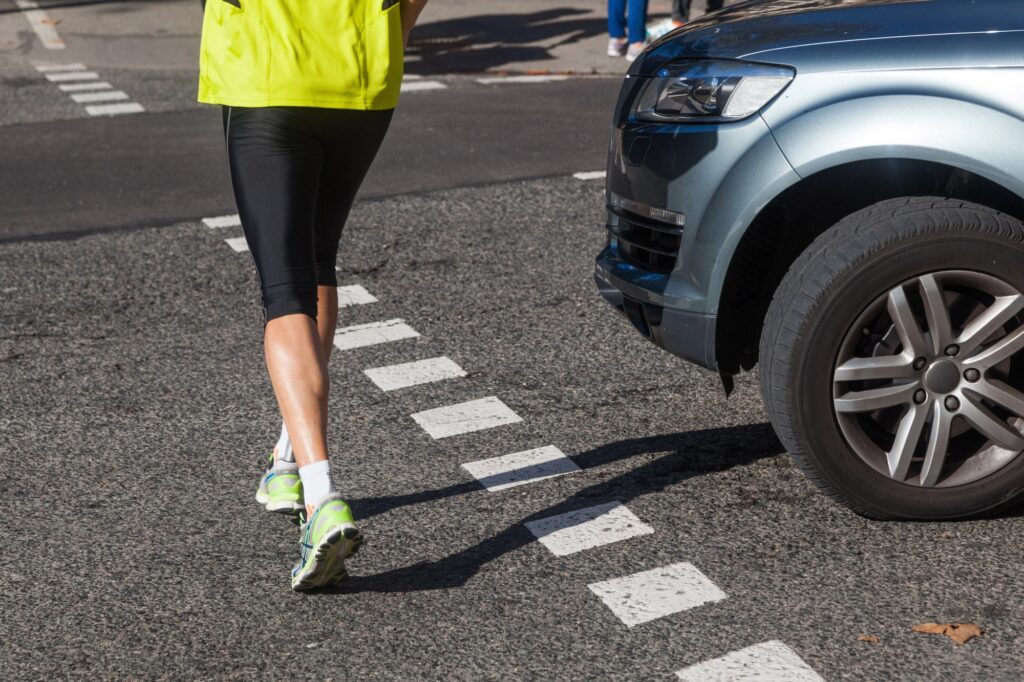
Getting hit by a vehicle as a pedestrian is a traumatic experience. In the immediate aftermath, most people are overwhelmed, in pain, and uncertain about what to do. That uncertainty, unfortunately, can lead to decisions that end up hurting their legal claims later on.
Our friends at Fogelman Law LLC discuss how often pedestrian accident cases hinge not just on the accident itself, but on what happened in the hours, days, and weeks after. As a pedestrian accident lawyer, we have seen firsthand how avoidable mistakes can significantly reduce the compensation injured people are able to recover.
Mistakes That Can Hurt Your Pedestrian Accident Claim
Leaving the Scene Without Documenting It
We understand that after a collision, your first instinct may be to get off the road and seek medical attention. That is the right priority. But if you are physically able to do so, take photos and video at the scene before you leave. Capture:
- The location, crosswalk markings, or lack thereof
- The vehicle that struck you, including its license plate
- Any traffic signals or signage nearby
- Your visible injuries
This kind of evidence disappears fast. Skid marks fade, witnesses walk away, and surveillance footage gets overwritten.
Not Calling the Police
Some pedestrians feel pressure to handle things informally, especially if the driver seems cooperative. We strongly advise against this. A police report creates an official record of the incident and can be pivotal when an insurance company later tries to dispute what happened.
Without a report, it often becomes your word against the driver’s.
Delaying Medical Care
This is one of the most common and costly mistakes we see. Many pedestrian accident injuries do not show up immediately. Concussions, internal injuries, and soft tissue damage can take days to fully surface. If you wait to see a doctor, the insurance company will likely argue that your injuries were not caused by the accident at all.
Seek medical attention the same day if at all possible, even if you feel relatively okay.
Giving a Recorded Statement to the Insurance Company
Insurance adjusters often call quickly after an accident, and they may seem friendly and helpful. Do not give a recorded statement without speaking to an attorney first. Adjusters are trained to ask questions in ways that can minimize your claim or even shift fault onto you.
You are not legally required to give a recorded statement to the other driver’s insurance company.
Posting About the Accident on Social Media
We have seen claims undermined by a single Instagram post or a comment on Facebook. Even something innocent, like a photo of you out with friends while recovering, can be used to argue that your injuries are not as serious as you claim. During an active claim, it is best to stay off social media entirely or at least say nothing about the accident, your injuries, or your daily activities.
Accepting a Quick Settlement
According to the National Safety Council, pedestrian deaths have been rising in recent years, and injury claims can be significant. Insurance companies know this and sometimes move fast to offer a settlement before you fully understand the scope of your injuries or your legal rights. Once you accept a settlement and sign a release, that is usually the end of it. No going back, even if your condition worsens.
Before accepting any offer, make sure you have a complete picture of your medical prognosis and any long-term care needs.
The Bigger Picture for Pedestrian Accident Victims
Pedestrian accident claims can be more legally involved than people expect. Questions of fault, comparative negligence, municipal liability, and insurance coverage limits all come into play. The decisions made in the early days after an accident can have a lasting impact on the outcome of a claim.
If you or someone you love was injured as a pedestrian, we encourage you to speak with a legal team that handles these cases and understands how to protect your rights from the start. Reach out to us to learn more about how we can help you move forward.