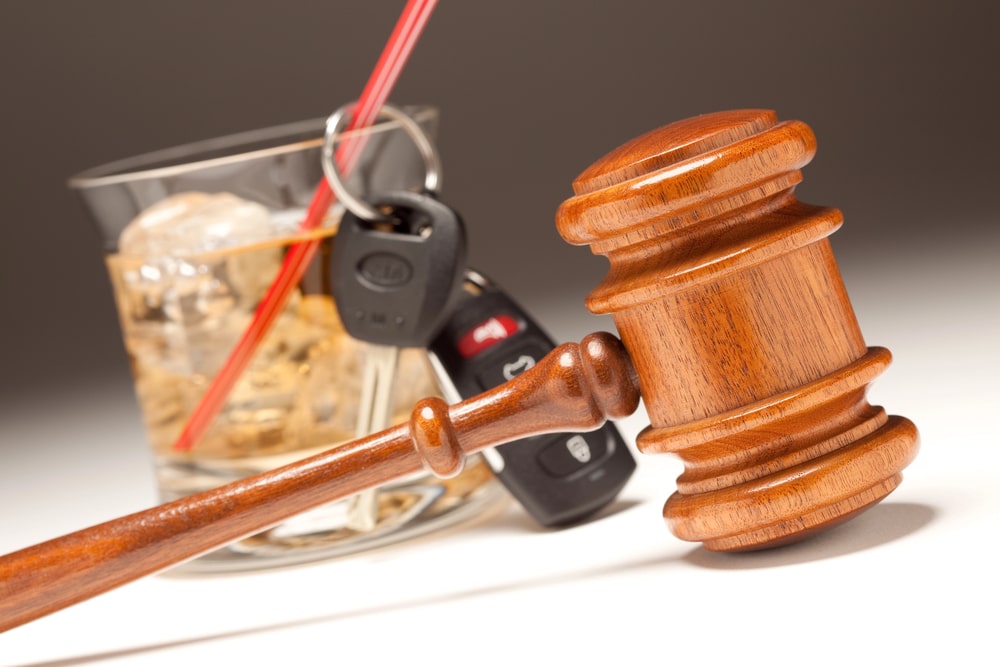
A DUI arrest feels like the end of the world. You’re facing criminal charges, potential jail time, license suspension, and a permanent record that affects employment and housing. Many people assume they have no choice but to plead guilty.
That assumption is wrong. DUI cases involve technical procedures, scientific testing, and constitutional protections that create numerous defense opportunities. Our friends at Seyb Law Group discuss how successful DUI defense requires understanding the science behind chemical testing, the law governing traffic stops, and the procedures officers must follow during arrests. A skilled DUI lawyer identifies weaknesses in the prosecution’s case and exploits them to achieve dismissals, reduced charges, or acquittals.
Understanding What Prosecutors Must Prove
DUI cases require prosecutors to prove beyond reasonable doubt that you operated a vehicle while impaired by alcohol or drugs, or with a blood alcohol concentration at or above the legal limit. This proof depends on officer observations, field sobriety tests, and chemical test results.
Each element creates potential defense opportunities. According to the National Highway Traffic Safety Administration, law enforcement agencies must follow standardized procedures for DUI enforcement. Deviations from these standards can invalidate evidence.
The Most Effective Defense Strategies
1. Challenging The Traffic Stop
Police need reasonable suspicion to pull you over. They must observe a traffic violation or signs of impaired driving. Without valid justification for the stop, all evidence gathered afterward can be suppressed.
Common invalid stop scenarios include stops based on anonymous tips without corroboration, stops for equipment violations that don’t actually exist, or stops in roadblocks that don’t follow proper procedures.
We examine dashcam footage, officer testimony, and the stated reason for the stop. If the stop was unlawful, the entire case collapses regardless of how intoxicated you might have been.
2. Questioning Field Sobriety Test Administration
Field sobriety tests like the walk-and-turn, one-leg stand, and horizontal gaze nystagmus must be administered according to NHTSA standardized procedures. Officers receive specific training on how to conduct and score these tests.
Many officers deviate from proper procedures. They give unclear instructions, demonstrate the tests incorrectly, conduct tests on uneven surfaces, or fail to account for medical conditions that affect balance and coordination.
Field sobriety test results are subjective and open to interpretation. We challenge improper administration and officer qualifications to perform these tests.
3. Attacking Breathalyzer Reliability
Breathalyzer machines require regular calibration and maintenance. Operators need proper training and certification. Testing procedures must follow specific protocols including observation periods before testing.
Common breathalyzer defenses include:
- Improper calibration or maintenance records
- Operator certification issues or training deficiencies
- Failure to observe you for the required period before testing
- Mouth alcohol from recent drinking, belching, or vomiting
- Medical conditions like acid reflux or diabetes affecting results
- Radio frequency interference from police equipment
We subpoena maintenance logs, calibration records, and operator certifications to identify problems with breath test evidence.
4. Challenging Blood Test Chain Of Custody
Blood tests require proper collection, labeling, storage, and transportation. The chain of custody must be documented at every step. Laboratory analysis must follow approved methods.
Blood test challenges focus on collection procedures, storage conditions that might cause fermentation, laboratory errors, and chain of custody gaps. We also examine whether officers obtained proper consent or a valid warrant for blood draws.
5. Demonstrating Rising Blood Alcohol
Blood alcohol concentration rises after you stop drinking. It takes time for alcohol to absorb into your bloodstream. Your BAC might have been below the legal limit while driving but rose above it by the time of testing.
This defense works best when arrests occur shortly after you stopped drinking and testing happens an hour or more after driving. We use toxicology testimony to show your BAC was legal while driving even if it tested high later.
6. Proving You Weren’t Actually Driving
DUI charges require proof that you operated the vehicle. Sometimes officers find people sleeping in parked cars with keys in the ignition. Other times they arrive at accident scenes after the fact and assume who was driving.
Without witnesses or admissions, prosecutors struggle to prove operation. We challenge circumstantial evidence and exploit reasonable doubt about who was actually driving.
7. Establishing Medical Explanations For Symptoms
Many medical conditions mimic intoxication symptoms. Diabetes, neurological disorders, inner ear problems, and injuries can cause slurred speech, balance problems, and confusion.
We present medical records and testimony showing that observed symptoms resulted from medical conditions rather than intoxication. This creates reasonable doubt about impairment.
8. Negotiating Reduced Charges
Even when evidence is strong, negotiation opportunities exist. First-time offenders with borderline BAC levels might negotiate reductions to reckless driving or other lesser charges that avoid DUI convictions.
These negotiations consider factors like your criminal history, cooperation with officers, BAC level, and whether the case involves aggravating factors like accidents or children in the vehicle.
The Importance Of License Suspension Hearings
DUI arrests trigger automatic administrative license suspensions separate from criminal charges. You have limited time to request hearings challenging these suspensions.
Many people miss these deadlines and lose their licenses automatically. Administrative hearings provide opportunities to challenge stops, arrests, and test results. Winning these hearings preserves your driving privileges regardless of criminal case outcomes.
Long-Term Consequences Beyond Court
DUI convictions create problems that extend far beyond fines and jail time. Convictions appear on background checks affecting employment. Insurance rates skyrocket. Professional licenses might be suspended. Immigration consequences can be severe for non-citizens.
Fighting charges protects not just your immediate freedom but your long-term opportunities and quality of life.
Protecting Your Future
DUI charges threaten your freedom, your license, and your future opportunities. You don’t have to accept conviction without challenging the evidence against you. We examine every aspect of DUI cases from the initial stop through chemical testing to identify defenses and negotiate favorable resolutions. Contact us to discuss your charges and learn how we can fight for the best possible outcome in your case.