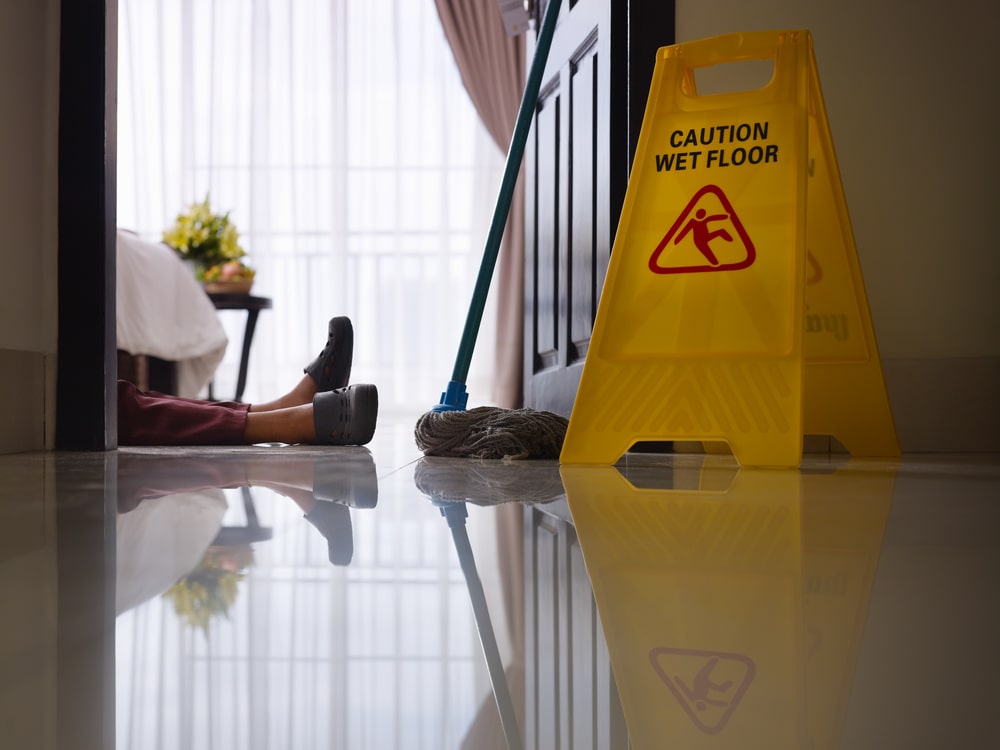
South Dakota winters are no secret. Temperatures drop, ice forms overnight, and snow piles up on walkways that people use every single day. When property owners fail to address those hazards, the legal consequences can be significant.
What the Law Says About Winter Hazards
Under South Dakota premises liability law, property owners have a duty of care to maintain reasonably safe conditions for visitors. That duty does not pause when the weather turns. Winter conditions are among the most common causes of slip and fall accidents, and courts take these cases seriously.
This does not mean a property owner is automatically liable every time someone slips on ice. The key question is whether the owner knew or should have known about the hazard and failed to act within a reasonable amount of time.
Common Winter Hazards That Lead to Liability
Not all slippery conditions carry the same legal weight. Some hazards are far more likely to result in liability than others. Common examples include:
- Ice that has been present for an extended period without treatment
- Snow pushed onto a walkway and was left to refreeze
- Drainage issues that cause water to pool and freeze near building entrances
- Failure to apply salt or sand after a storm
- Broken or missing handrails near icy steps
When any of these conditions exist, and a property owner has done nothing to fix them or warn visitors, that is where legal liability begins to take shape.
Commercial vs. Residential Properties
The standard applied to commercial property owners is generally higher than what applies to residential properties. A business that invites customers onto its premises is expected to conduct regular inspections, respond quickly to winter weather events, and document the steps taken to address hazards.
Residential property owners still carry obligations, particularly when tenants, guests, or service workers are regularly present. Landlords, for example, are often responsible for maintaining shared walkways, parking lots, and building entryways.
Why Timing Matters in These Cases
One of the most common defenses raised in winter slip and fall cases is that the property owner did not have enough time to address the hazard after it formed. South Dakota courts weigh factors like how long the ice or snow had been present, whether a storm was still ongoing, and whether any reasonable precautions were already in place.
This is why documenting the scene immediately after a fall matters. Photographs, timestamps, weather records, and witness accounts can speak directly to how long a dangerous condition existed before someone was hurt. A Box Elder slip and fall lawyer can help gather and preserve that evidence before it disappears or is destroyed.
What Injured Victims Should Know Before Filing
South Dakota law gives injured parties a limited window to file a premises liability claim. Missing that deadline typically means losing the right to pursue compensation entirely. Beyond timing, the strength of a claim often comes down to how quickly legal support is obtained after the accident. Medical records, incident reports, and property inspection history all play a role. The sooner an attorney gets involved, the better positioned an injured person is to build a strong case.
At Loos, Sabers & Smith, LLP, our attorneys understand how South Dakota courts approach winter premises liability claims. If you were injured on an icy or snow-covered property in the area, reaching out to a Box Elder slip and fall lawyer is a straightforward first step toward understanding what your legal options actually look like.